


Mining 2 min read
Critical controls in underground mining: when PPE is the last barrier
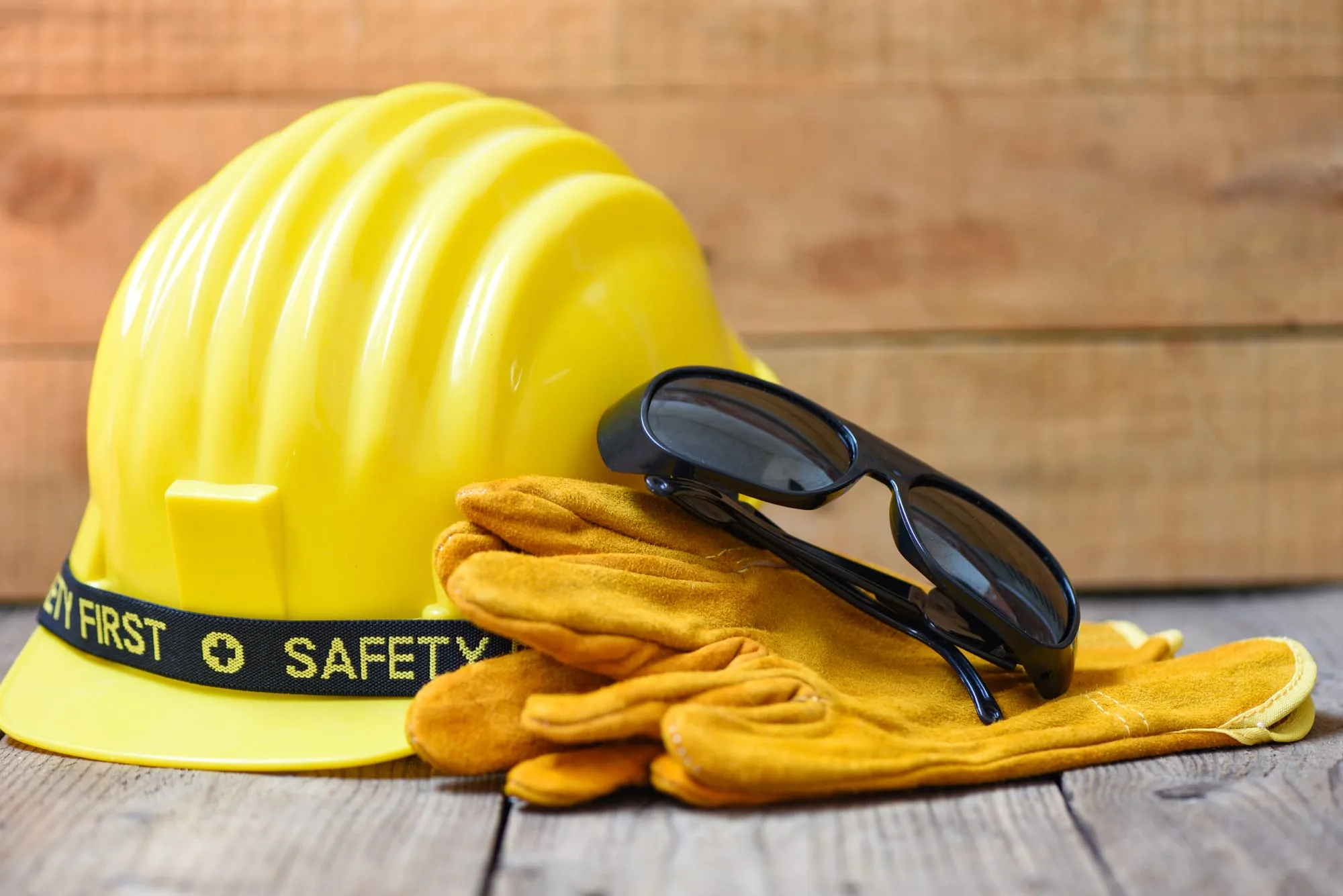
Helmets, gloves and glasses protect, but they do not prevent. How to move from checking protective equipment to managing the controls that stop serious events.
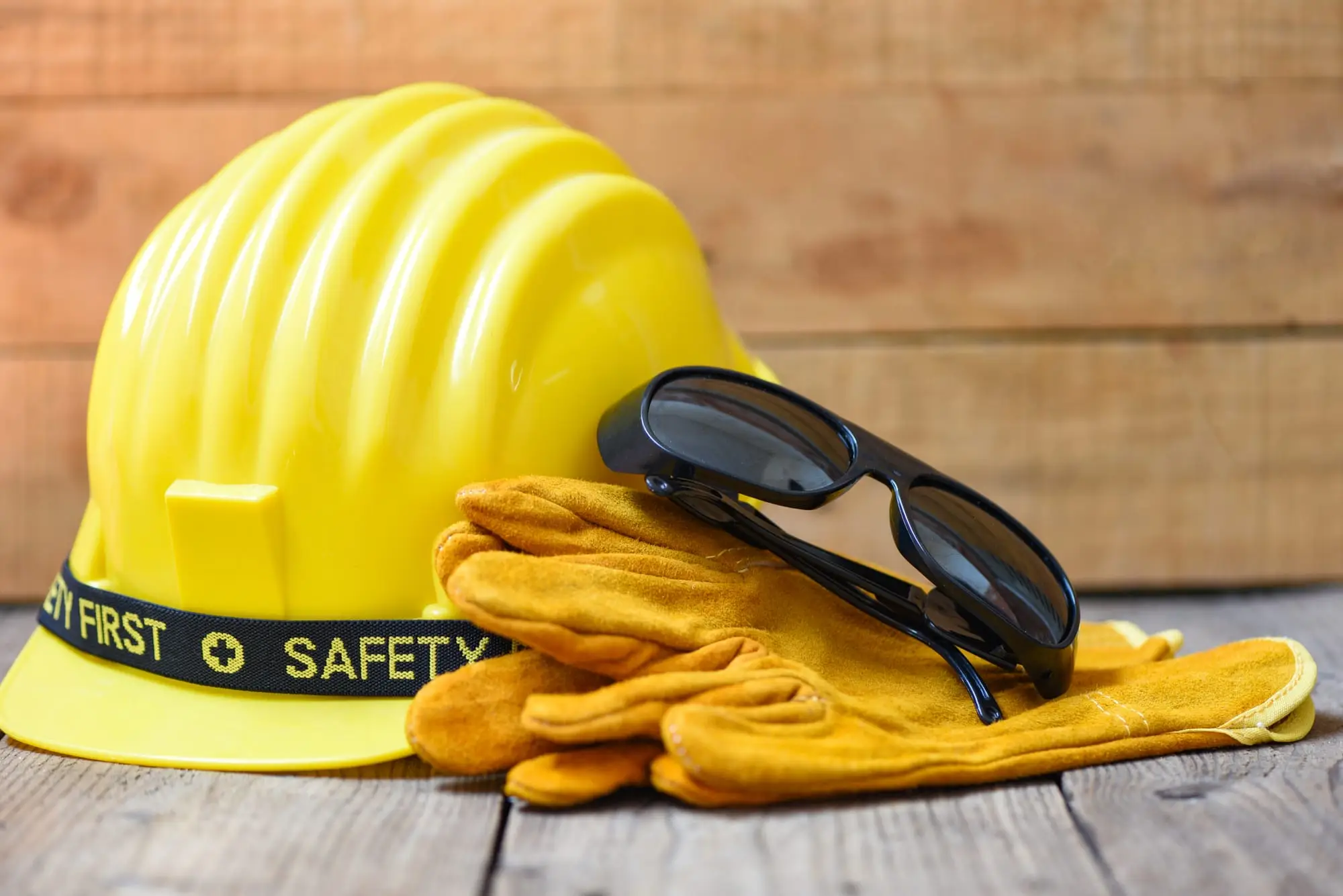
In almost any underground mine, the safety inspection starts with what is visible: helmet, cap lamp, self-rescuer, boots, gloves and glasses. It is necessary, but it says little about the likelihood of a serious event. Personal protective equipment acts when everything else has already failed; it is, by definition, the last barrier.
From the coal mines of Boyacá to deep operations in South Africa or Canada, the events that cost the most lives look alike: rockfalls, explosive or unbreathable atmospheres, interaction between people and mobile equipment, and contact with electrical energy. Faced with them, the organisations that manage risk best share one approach: focusing on the few controls that decide whether the event happens.
The hierarchy of controls, in practice
The classic hierarchy ranks measures from most to least effective:
- Eliminate the hazard, for example by removing people from the face during blasting.
- Substitute a material, piece of equipment or method with a less hazardous one.
- Engineering controls: ground support, ventilation, physical barriers and proximity detection systems.
- Administrative controls: procedures, work permits and training.
- Personal protective equipment.
An audit that spends most of its time on the fifth level is reviewing what protects the least.
What makes a control critical
The critical control management guide from the International Council on Mining and Metals (ICMM) starts from a simple idea: a control is critical when its absence or failure significantly increases the risk of a serious event, even if the other controls remain in place. For each one, the required performance, how it is verified and who is accountable are defined.
Verify in the field, not on paper
A critical control is verified where it is. The question is not whether the ventilation procedure exists, but whether the auxiliary fan at the face is running, whether the duct reaches the planned distance and whether the last gas reading was taken during the shift. Useful verifications are short, specific, answered yes or no, and they leave evidence: a photo, a reading, a time and a name.
Gas and ventilation: the clearest example
In underground coal mining, methane is the textbook case. No personal protective equipment prevents an explosion. What prevents it is a chain of controls: design and maintenance of the ventilation circuit, calibrated detectors placed where they should be, automatic power cut-off when the concentration exceeds the limit and a disciplined response to every alarm. If one of those links fails silently, the helmet and glasses do not change the outcome.
What a good verification report looks like
- A few controls, chosen for their effect on serious events rather than for how easy they are to measure.
- Specific performance standards for each control.
- Verifications with dated, located evidence.
- Trends per control, not only overall compliance percentages.
- Visible follow-up of every deviation until it is closed.
Chosen by shared topics and use case.
Related articles
- Mining
35% of emergencies and 27% of fatalities: the cost of detecting late
Geomechanical failures account for 35% of emergencies and 27% of fatalities in underground mining. The difference often lies in the speed between signal and response.
- Bogotá
- Tunja
- Mining
What does downtime really cost?
The Boyacá strike left a figure: COP 6 billion per day. The question is whether your operation can put a number on each hour of downtime while it is happening.
- Tunja
- Sogamoso
- Mining
Drone inspection in mining: how to reduce costs and operational risk
How drones in mining turn inspections of slopes, volumes, drainage and infrastructure into actionable data that reduces costs and operational risk.
- Bogotá